 Suture
Specialist surgery. Gentle hands.
Your pet's best chance.
When your vet says "they'll need a specialist," this is where you come. Board-certified small animal surgery — cruciate repairs, fracture reconstruction, soft tissue, oncology — performed by a surgeon who calls you personally after every procedure.
Scroll to understand exactly what each surgery involves — and to read from the families whose pets came home walking.
When something that shouldn't be there is blocking everything
Foreign body obstruction is one of the most common soft tissue emergencies in dogs. A swallowed tennis ball, corn cob, or sock can completely block the stomach or intestine, cutting off blood supply to the gut wall within hours. The surgery — a gastrotomy or enterotomy — removes the object through a small, precise incision and repairs the tissue. Most dogs are eating again within 24 hours of waking from anaesthetic.
- 1Full abdominal ultrasound and X-ray to locate the obstruction
- 2General anaesthesia; careful incision into stomach or intestine
- 3Object removed; tissue assessed for viability
- 4Multi-layer closure with absorbable sutures
- 5Overnight monitoring; home the following day
"Barley swallowed a corn cob whole on a Sunday afternoon. By Monday morning he was out of surgery and by Tuesday he was demanding his breakfast. I was terrified when our vet said he needed a specialist — but the moment Dr. Calloway explained exactly what she was going to do, I stopped being terrified and started trusting."
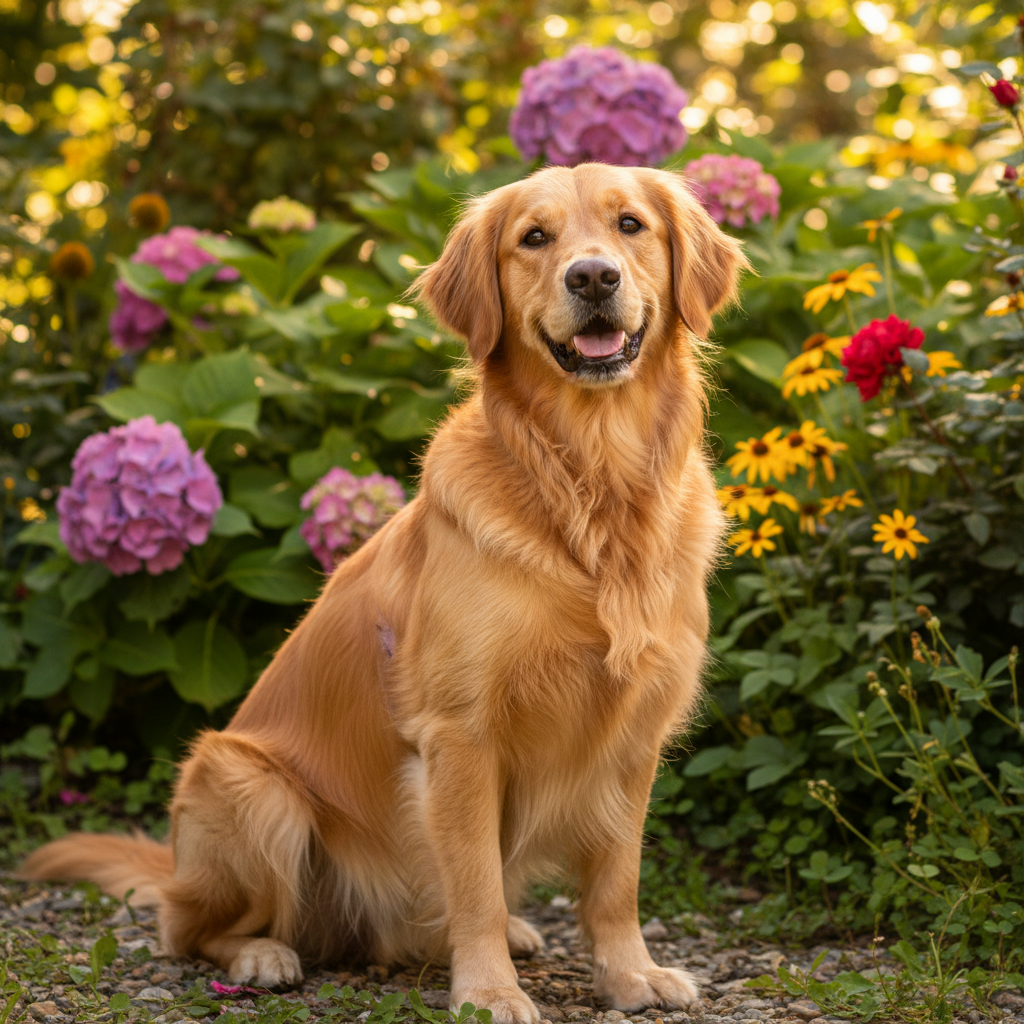
"Miso was hit by a car and couldn't close her mouth at all. I thought we'd lose her. Dr. Calloway sent me a diagram of exactly what she was going to fix before the operation — that meant everything. Six weeks later Miso was back to stealing food off my plate."
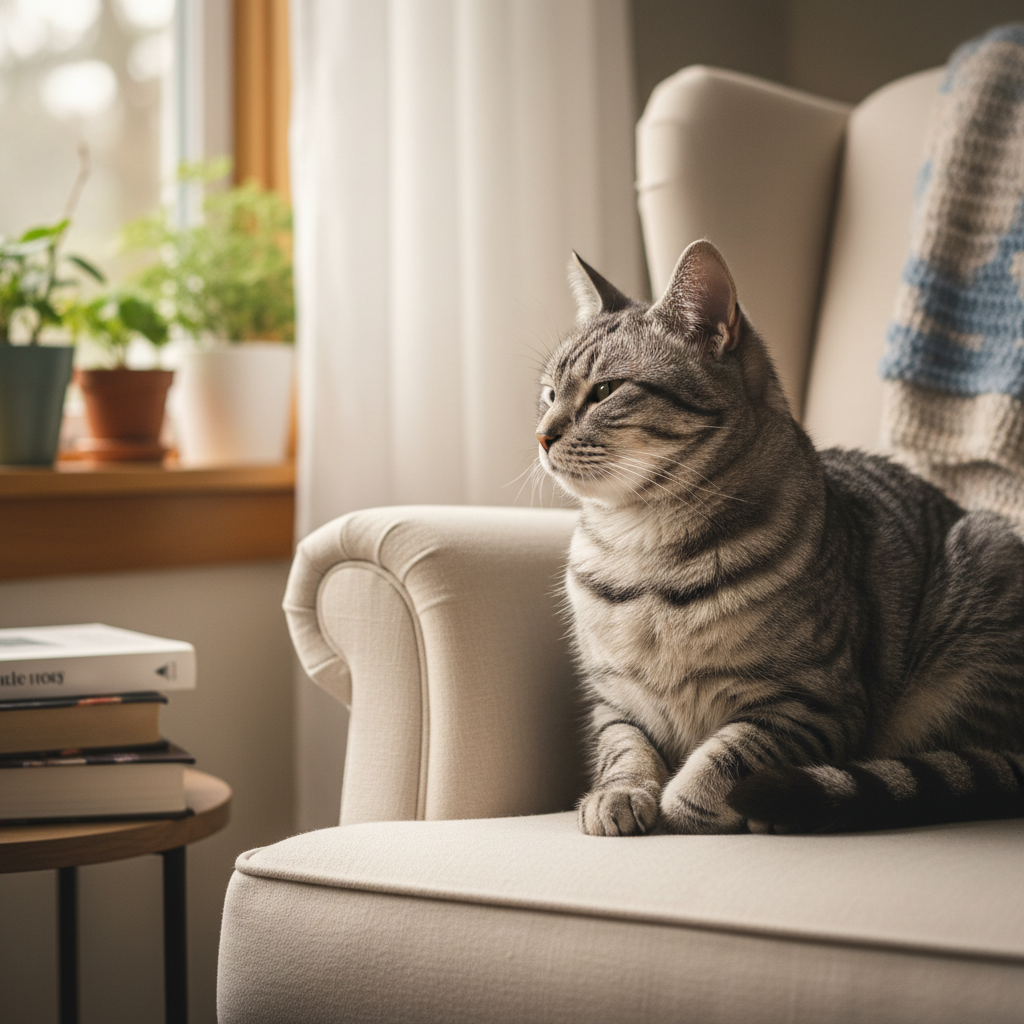
Rebuilding a jaw so a cat can eat again
Mandibular fractures in cats — often from road traffic accidents or falls — can leave them unable to close their mouth, drink, or eat. Surgical repair uses miniature titanium plates and screws to realign the bone fragments with sub-millimetre precision. The plates are designed for the feline jaw specifically: low-profile enough not to interfere with the muscles of chewing. Recovery is measured in weeks, not months.
- 1CT scan to map fracture lines in three dimensions
- 2Anaesthesia with airway protection throughout
- 3Open reduction and internal fixation with micro-plates
- 4Soft diet for 6 weeks; recheck at 2 and 6 weeks
- 5Plates remain in place permanently — cats don't notice them
Your pet deserves a second opinion from someone who does this every day.
Whether you've just left your vet or you're up at 2 a.m. searching for answers — we're here. Book a consultation or download our plain-English surgery guide.
The surgery that gets working dogs back to work
Cranial cruciate ligament rupture is the most common orthopaedic injury in dogs — the canine equivalent of an ACL tear. Without surgery, the knee becomes progressively more unstable and arthritic. The TPLO (Tibial Plateau Levelling Osteotomy) changes the geometry of the joint so it no longer relies on the ligament at all. It's the gold standard repair: 93% of dogs return to full athletic function within 16 weeks.
- 1Orthopaedic examination and digital X-ray of the stifle joint
- 2TPLO: precise curved cut through the tibia; rotation to neutralise shear forces
- 3Bone plate secured with locking screws; verified with intraoperative X-ray
- 4Hydrotherapy referral at 4 weeks; controlled lead exercise only
- 5Return to full work: 12–16 weeks post-op
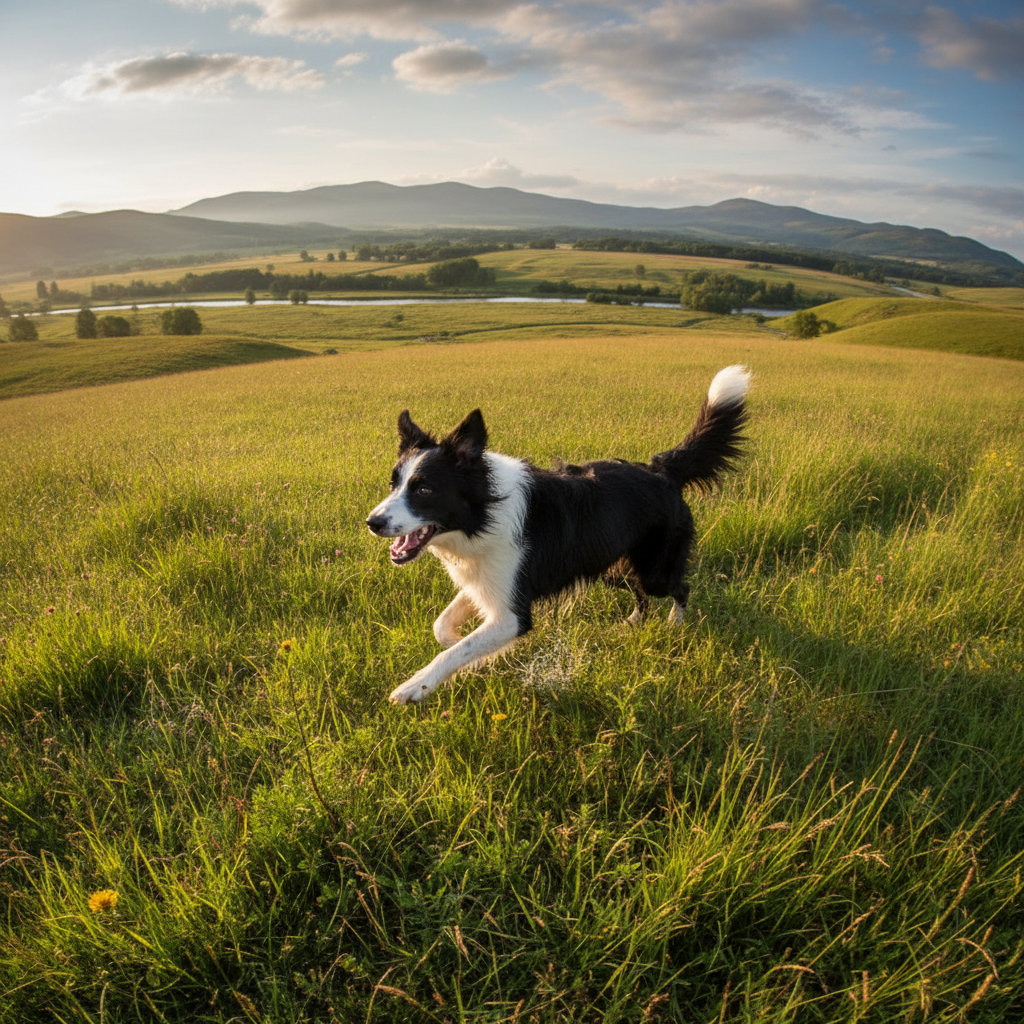
"Glen is a working collie — he herds sheep every morning. When he got clipped by a gate and ruptured his cruciate, I knew I needed someone who understood what "back to full work" actually means for a farm dog. He was back on the hill at 14 weeks. Dr. Calloway understood exactly what I needed from the first phone call."
"Archie is 11. Our vet found a mast cell tumour on his flank and said it needed a specialist to get the margins right. I was bracing for the worst conversation of my life. Instead, Dr. Calloway sat with me for 40 minutes, drew diagrams, and explained every outcome honestly. Archie had surgery on a Thursday and was home by Saturday. Margins were clean. He's had two more good summers since."
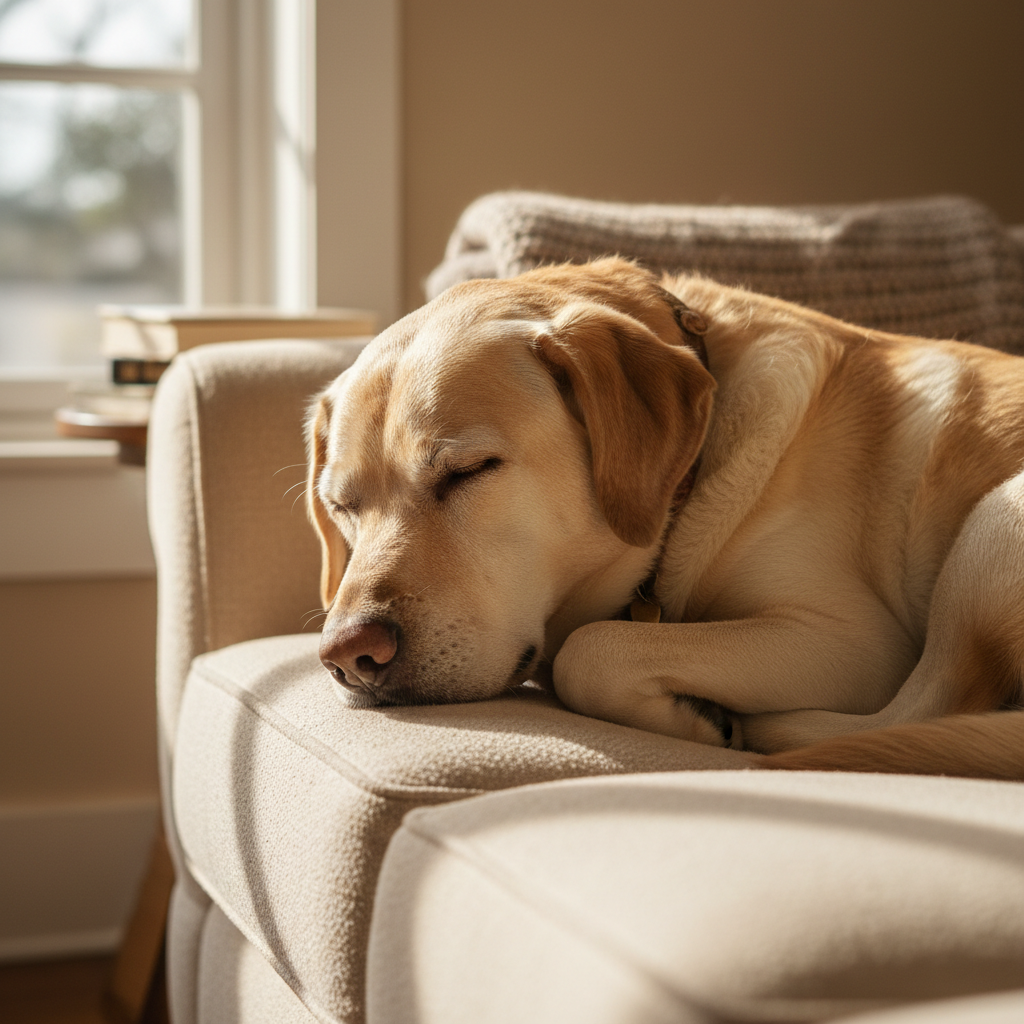
When removing a tumour means giving years back
Surgical oncology is about margins. A tumour removed with clean margins — a rim of healthy tissue around the entire mass — dramatically reduces recurrence rates. For mast cell tumours, soft tissue sarcomas, and splenic masses, surgery is often the single most important treatment. We work closely with veterinary oncologists to plan every excision, and we use intraoperative frozen sections where necessary to confirm margins in real time.
- 1Fine needle aspirate or biopsy to confirm tumour type pre-operatively
- 2CT or MRI to assess local invasion and lymph node involvement
- 3Wide surgical excision with planned 2–3 cm margins
- 4Histopathology of excised mass and margins within 5 working days
- 5Oncology referral for adjuvant therapy if indicated
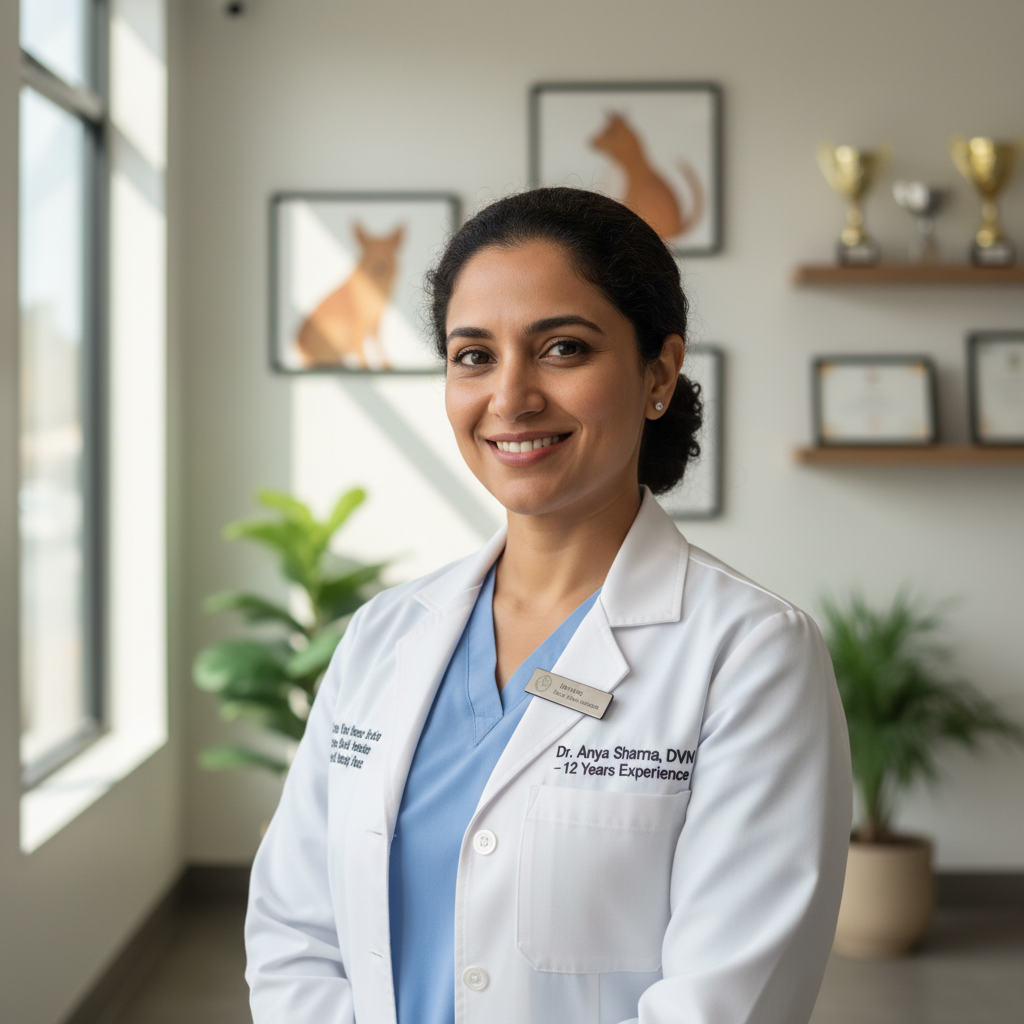
RCVS Recognised Specialist
Small Animal Surgery
Twelve years in theatre.
Every case taken personally.
Dr. Sarah Calloway trained at the Royal Veterinary College before completing her residency in small animal surgery at the University of Edinburgh. She holds a Diploma from the European College of Veterinary Surgeons and has performed over 2,400 procedures — from routine cruciate repairs to complex mandibular reconstructions in cats.
She founded Suture because she believes specialist surgery should feel like a conversation, not a conveyor belt. Every family receives a direct phone call after their pet's procedure.
Tell us about your pet first.
We ask for your pet's name before yours — because that's who this is really about. Fill in as much or as little as you know right now.
Is this an emergency?
If your pet is in acute distress, unable to breathe normally, or has suffered a traumatic injury — please call us directly rather than completing this form. +44 (0)1234 567 890
Not ready to book? Download our Surgery Guide.
Plain-English explanations of every procedure we perform — written for owners, not vets. Helpful at 2 a.m. when the worry won't let you sleep.